
5 Signs You're Doing Too Much Too Soon Postpartum

February 4, 2026

You got the green light at your six-week checkup. Your doctor said you're cleared for exercise. So naturally, you laced up your sneakers, queued up your favorite workout, and jumped right back into your old routine.

Fast forward a few days and something feels off. Maybe it's a heaviness you can't quite explain. Maybe it's pain that wasn't there before. Maybe it's exhaustion that goes beyond normal new-mama tired.


If this sounds familiar, you're not alone. And more importantly, you're not broken. You might just be doing too much too soon.


At ABC Fit Collective, we've worked with hundreds of mamas navigating postpartum recovery, and this is one of the most common patterns we see. A mama gets cleared for exercise, assumes that means her body is fully healed, and dives back into fitness at a level her body isn't ready for. The result? Setbacks that could have been avoided with a more gradual approach.


Here's the truth that nobody tells you: being "cleared" for exercise doesn't mean your body is back to its pre-pregnancy state. It means your initial healing is complete enough that gentle movement is safe. There's a big difference between those two things.


So how do you know if you're pushing too hard? Let's talk about the five signs that your body is asking you to slow down.

The Pressure to "Get Back to It"

Before we dive into the signs, let's acknowledge something important: the pressure to return to exercise quickly after having a baby is intense. Between bounce back culture, well-meaning friends asking about your fitness routine, and your own desire to feel like yourself again, it's completely understandable why so many mamas rush back into workouts.


And honestly? The desire to move your body after months of pregnancy isn't a bad thing. Movement can be incredibly healing postpartum. It can boost your mood, give you energy, and help you feel more connected to your body during a season when everything feels unfamiliar.


The problem isn't wanting to exercise. The problem is that most fitness programs and even many healthcare providers don't give mamas adequate guidance on what postpartum exercise should actually look like. You get a generic "you're cleared" and then you're left to figure out the rest on your own.

So you do what makes sense. You go back to what you were doing before. The workouts you loved. The intensity you're used to. The exercises that used to feel easy.


But your body isn't the same body it was before pregnancy. Your core and pelvic floor have been through significant changes. Your joints are still affected by relaxin, the hormone that loosened your ligaments during pregnancy. Your abdominal muscles may have separated. And if you had a C-section, you're also healing from major abdominal surgery.


Doing too much too soon doesn't just slow your recovery. It can create new problems that take much longer to fix. Pelvic floor dysfunction, worsening diastasis recti, chronic pain, and injury are all possible consequences of pushing too hard before your body is ready.


The good news? Your body will tell you when something isn't right. You just have to know what to listen for.

Time to Take Action: 5 Signs You Need to Slow Down

1. You're experiencing leaking during or after exercise

Let's start with the sign that many mamas brush off as "normal" but absolutely isn't: urinary leakage during exercise. Whether it's a few drops when you jump or a more significant leak when you sneeze, cough, or lift something heavy, this is your pelvic floor telling you it's not ready for the demand you're placing on it.


Here's what we want you to understand: leaking is common postpartum, but common doesn't mean normal or acceptable. It's a symptom that something in your pelvic floor system isn't functioning optimally, and continuing to exercise through it without addressing the root cause can make things worse.


If you're experiencing leaking, it's time to scale back the intensity of your workouts and focus on rebuilding your pelvic floor foundation. This might mean working with a pelvic floor physical therapist, which we highly recommend for all postpartum mamas. It also means choosing exercises that don't create excessive downward pressure on your pelvic floor until you've rebuilt that strength.


Our Core Restore program in the Virtual Gym is designed with exactly this in mind. It focuses on breath work, core connection, and gentle strengthening that supports pelvic floor recovery rather than overwhelming it.


2. You're noticing a bulge or doming in your abdomen during exercises

When you do a crunch, plank, or even just sit up from lying down, take a look at your belly. Do you see a ridge or dome shape forming down the center of your abdomen? This is called coning or doming, and it's a visible sign that your deep core system isn't managing pressure effectively.


Doming often indicates diastasis recti, the separation of the abdominal muscles that's extremely common after pregnancy. While some degree of separation is normal and often resolves on its own, continuing to do exercises that cause doming can prevent healing or even make the separation worse.


If you're seeing this, it doesn't mean you can't exercise. It means you need to modify your approach. Avoid exercises that create that doming effect, which often includes traditional crunches, sit-ups, planks, and any movement where you can't maintain tension across your midline. Focus instead on exercises that help retrain your deep core muscles to work together properly.

This is exactly what our pre and postnatal fitness experts at ABC Fit Collective specialize in. Every workout in our Virtual Gym is designed with core safety in mind, and we offer modifications for mamas who are still working on closing a diastasis gap.


3. You feel pressure or heaviness in your pelvic region

This one can be harder to describe, but if you're experiencing it, you know exactly what we're talking about. It's a sensation of pressure, fullness, or heaviness in your vaginal area, almost like something is falling out or pushing down. It might be worse at the end of the day, after exercise, or after being on your feet for a long time.


This sensation can be a sign of pelvic organ prolapse, which occurs when the pelvic floor muscles aren't providing adequate support for the bladder, uterus, or rectum. It's more common than most people realize, and high-impact exercise or heavy lifting before your pelvic floor is ready can contribute to it.


If you're feeling this heaviness, please don't ignore it. Scale back your activity, avoid high-impact movements and heavy lifting, and see a pelvic floor physical therapist for an assessment. Prolapse exists on a spectrum, and early intervention can make a significant difference in outcomes.


In the meantime, low-impact workouts that focus on pelvic floor-friendly movement are your best bet. The Virtual Gym has plenty of options that allow you to keep moving without making symptoms worse.


4. You're experiencing pain during or after workouts

This might seem obvious, but it's worth stating clearly: exercise should not hurt. If you're experiencing pain in your abdomen, pelvis, back, or C-section scar during or after workouts, that's a red flag that something isn't right.

Some discomfort as you rebuild strength is normal. Muscle fatigue, mild soreness the next day, and the general challenge of working hard are all part of the process. But sharp pain, persistent aching, or pain that gets worse over time is different. It's your body's way of saying "this is too much."


Pay particular attention to any pain around a C-section scar. Scar tissue can create adhesions that affect how your core muscles function, and exercising without addressing scar mobility can perpetuate pain and dysfunction. Gentle scar massage and specific exercises to restore mobility in that area can be incredibly helpful.


If you're dealing with pain, take it seriously. Rest, modify your workouts, and consider working with a physical therapist or healthcare provider who specializes in postpartum recovery. Pushing through pain almost always makes things worse in the long run.


5. You're completely exhausted (beyond normal new-mama tired)

Every new mama is tired. Sleep deprivation comes with the territory. But there's a difference between the baseline exhaustion of caring for a newborn and the kind of depletion that comes from overtraining on top of an already demanding situation.


If you're finding that your workouts leave you feeling wiped out for hours afterward, if you're struggling to recover between sessions, if your fatigue is getting worse instead of better, your body might be telling you that the energy demands are too high right now.


Remember that your body is doing a lot. If you're breastfeeding, you're producing food for another human, which requires significant caloric energy. You're likely not sleeping well. You're recovering from pregnancy and birth. Adding intense exercise on top of all that can push your system past what it can handle.


This doesn't mean you shouldn't exercise. Movement can actually help with energy levels when done appropriately. But the key word is appropriately. Shorter workouts, lower intensity, more rest days, and listening to what your body actually needs rather than what you think you "should" be doing.


The Virtual Gym makes this easy with workouts ranging from 5 to 45 minutes. On days when you're running on empty, a gentle 10-minute session might be exactly what you need. Save the longer, more challenging workouts for days when you have more in the tank.

The Bottom Line: Slow Progress Is Still Progress

Mama, we know how frustrating it can be to feel like your body isn't cooperating with your goals. You want to feel strong again. You want to feel like yourself. And slowing down can feel like moving backward.


But here's what we've learned from working with hundreds of postpartum mamas: the ones who take their time in the beginning almost always end up further ahead in the long run. They build a solid foundation. They avoid setbacks. They develop a sustainable relationship with fitness that serves them for years, not just weeks.


Slowing down isn't giving up. It's being smart. It's honoring what your body has been through and giving it what it needs to truly heal. It's playing the long game instead of chasing short-term results that come at a cost.

At ABC Fit Collective, every workout in our Virtual Gym is designed with postpartum safety in mind. Our certified pre and postnatal fitness experts understand the unique needs of mamas at every stage of recovery. We offer modifications, progressions, and programs like Core Restore that help you rebuild your foundation before adding intensity.


Whether you're six weeks postpartum or six years, whether you're experiencing warning signs or just want to make sure you're doing things right, there's a place for you here. No judgment. No pressure. Just safe, effective postnatal fitness designed for real mamas and real bodies.


Ready to take a smarter approach to your postpartum fitness journey? Start your free trial of the ABC Fit Virtual Gym today and discover what it feels like to rebuild your strength the right way.

Connect With Us On Social!


Share This Post!

By Kritie Alicea January 28, 2026
Open any social media app and you'll see it within minutes. A celebrity posing in a bikini six weeks after giving birth. A fitness influencer showing off her flat stomach with a newborn on her hip. Headlines celebrating women who "got their body back" in record time.  And somewhere in the background, a new mama scrolling through her phone at 3 AM while nursing her baby is wondering what's wrong with her. Why doesn't she look like that? Why does her body still feel like a stranger's? Why is "bouncing back" so easy for everyone else? Here's what we want you to know: the concept of "bouncing back" after baby is one of the most harmful myths in our culture. And at ABC Fit Collective, we think it's time we had an honest conversation about it. We've worked with hundreds of mamas through pregnancy and postpartum, and we can tell you with absolute certainty that the pressure to bounce back causes more harm than good. It sets unrealistic expectations, ignores the incredible work your body just did, and reduces your worth to whether or not you can fit into your pre-pregnancy jeans. So let's unpack the truth about bouncing back, why you shouldn't buy into it, and what to focus on instead.
By Kritie Alicea January 22, 2026
Let's be honest for a second. You're exhausted. Your baby just woke up for the third time last night, you can't remember the last time you had a full meal while it was still warm, and the idea of "working out" feels about as realistic as getting eight hours of uninterrupted sleep. Sound familiar?  Here's the thing we want you to know right off the bat: if you're struggling to prioritize fitness right now, you're not failing. You're navigating one of the most physically and emotionally demanding seasons of your life. And if you've tried to start a workout routine only to abandon it a week later, you're definitely not alone. Most fitness programs weren't designed for the realities of new mamahood. At ABC Fit Collective, we've worked with hundreds of mamas through pregnancy, postpartum, and beyond. We've seen what works and what doesn't when it comes to building a fitness routine that actually sticks. And spoiler alert: it has nothing to do with willpower or motivation. It has everything to do with creating a plan that fits your real life, not some imaginary version of it. So if you're a new mama wondering how to get back into fitness without burning out, feeling guilty, or adding more stress to your already full plate, this one's for you.
By Kritie Alicea December 29, 2025
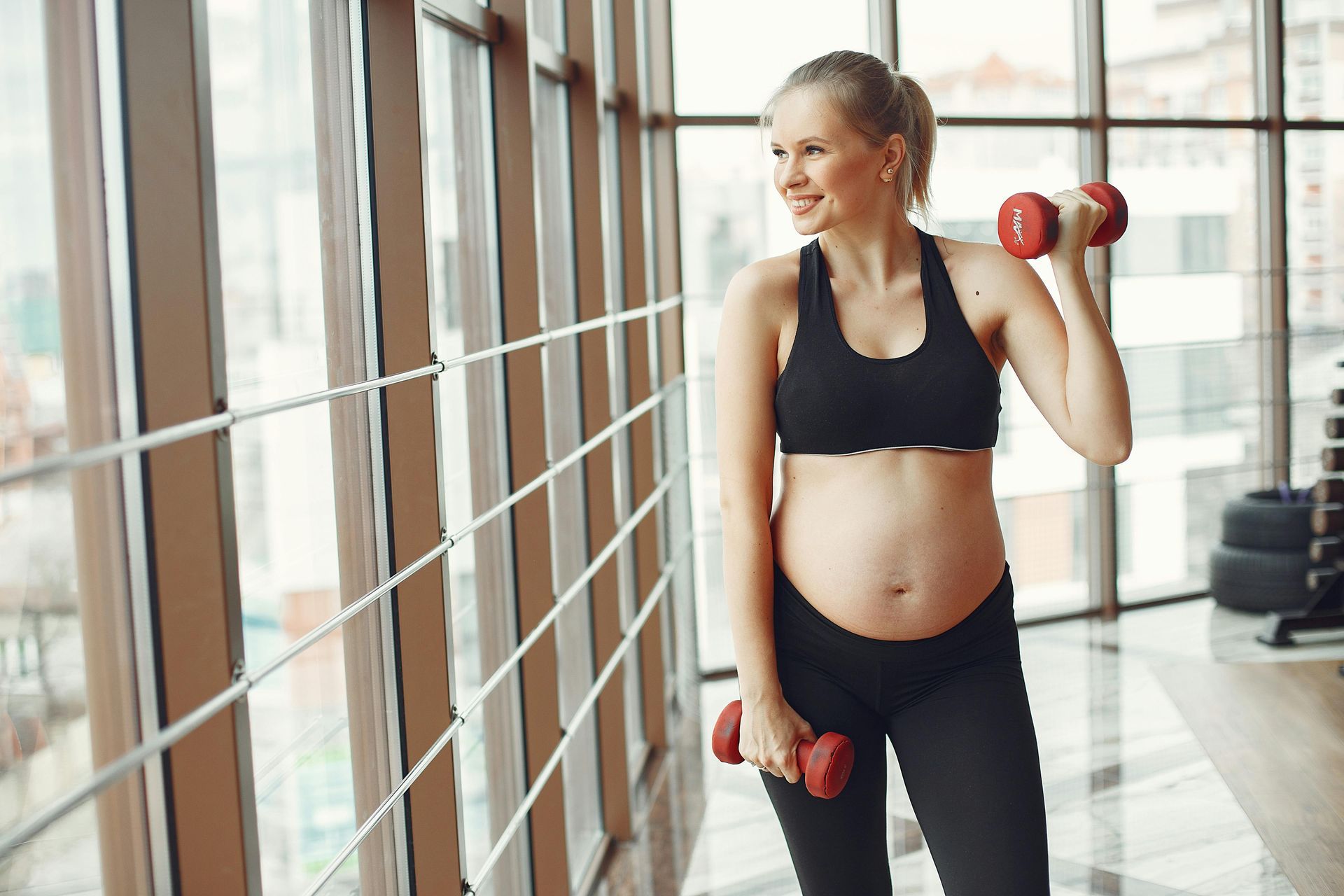
If the idea of lifting weights during pregnancy makes you pause and think, “Is this safe?” You’re not alone. For years, pregnant women have been told to slow down, stick to light cardio, and avoid strength training altogether. But here’s the truth: prenatal strength training, when done smartly , is one of the most powerful tools you have during pregnancy. At ABC Fit Collective, we believe pregnancy isn’t a time to stop moving, it’s a time to move with intention. Strength training isn’t about pushing limits or lifting heavy just to prove you can. It’s about building support, confidence, and resilience for your changing body. And yes, that strength becomes your superpower!
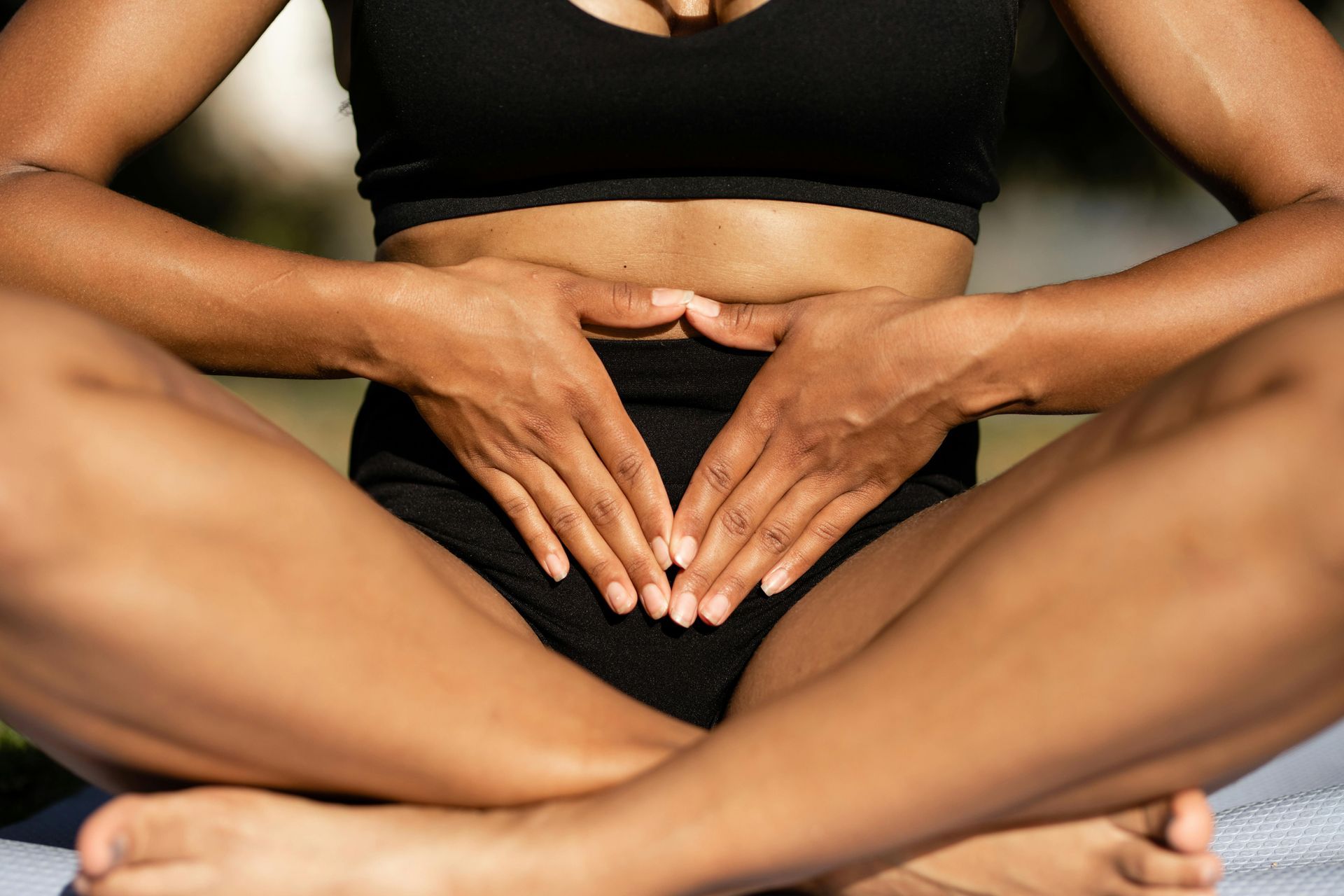
Woman in black workout clothes sits cross-legged, hands forming a heart on her abdomen.
By Kritie Alicea December 15, 2025
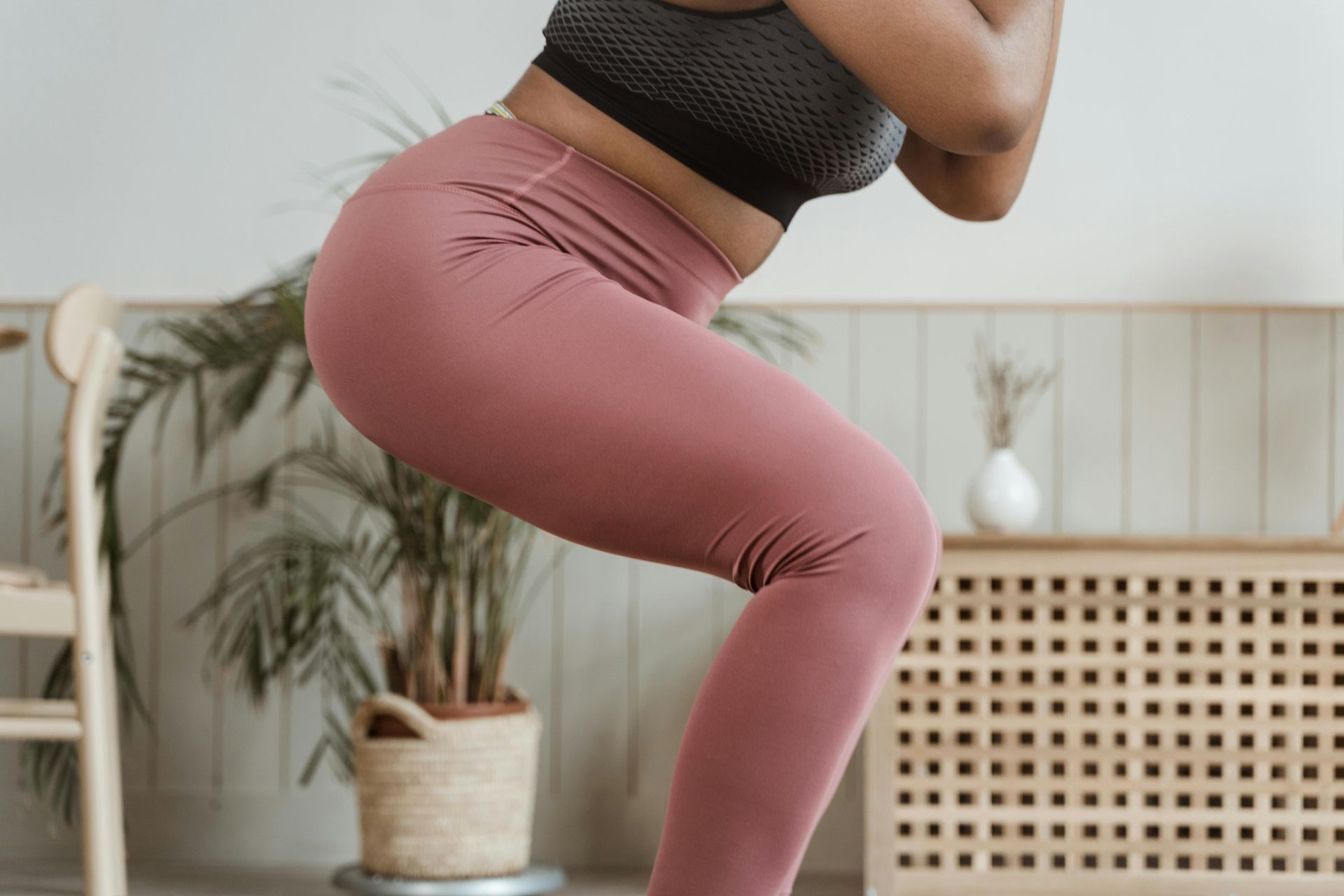
You're standing in front of the mirror, looking at your postpartum belly. You press your fingers just above your belly button and feel... a gap. A soft space where your abdominal muscles should be firm. Maybe you notice that when you do a crunch or sit up, your belly creates a strange dome or cone shape down the middle. Welcome to the world of diastasis recti, or known as abdominal separation. And if you're feeling confused, worried, or completely overwhelmed by this term you maybe just learned about, you're definitely not alone. Here's what we wish someone had told us when we started working with pregnant and postpartum mamas: diastasis recti is incredibly common (affecting up to 60% of pregnant women), often misunderstood, and most importantly, it's something you can actively work to heal and manage. But the information out there is confusing at best and fear-inducing at worst. Today, we're cutting through the confusion. We're going to explain exactly what diastasis recti is, how to check for it, what exercises help versus hurt, and most importantly, how to approach your fitness journey in a way that supports healing rather than making things worse.  Because you deserve clear, honest, evidence-based information about your postpartum body. Let's dive in.
Woman in pink leggings doing a squat indoors.
By Kritie Alicea December 7, 2025
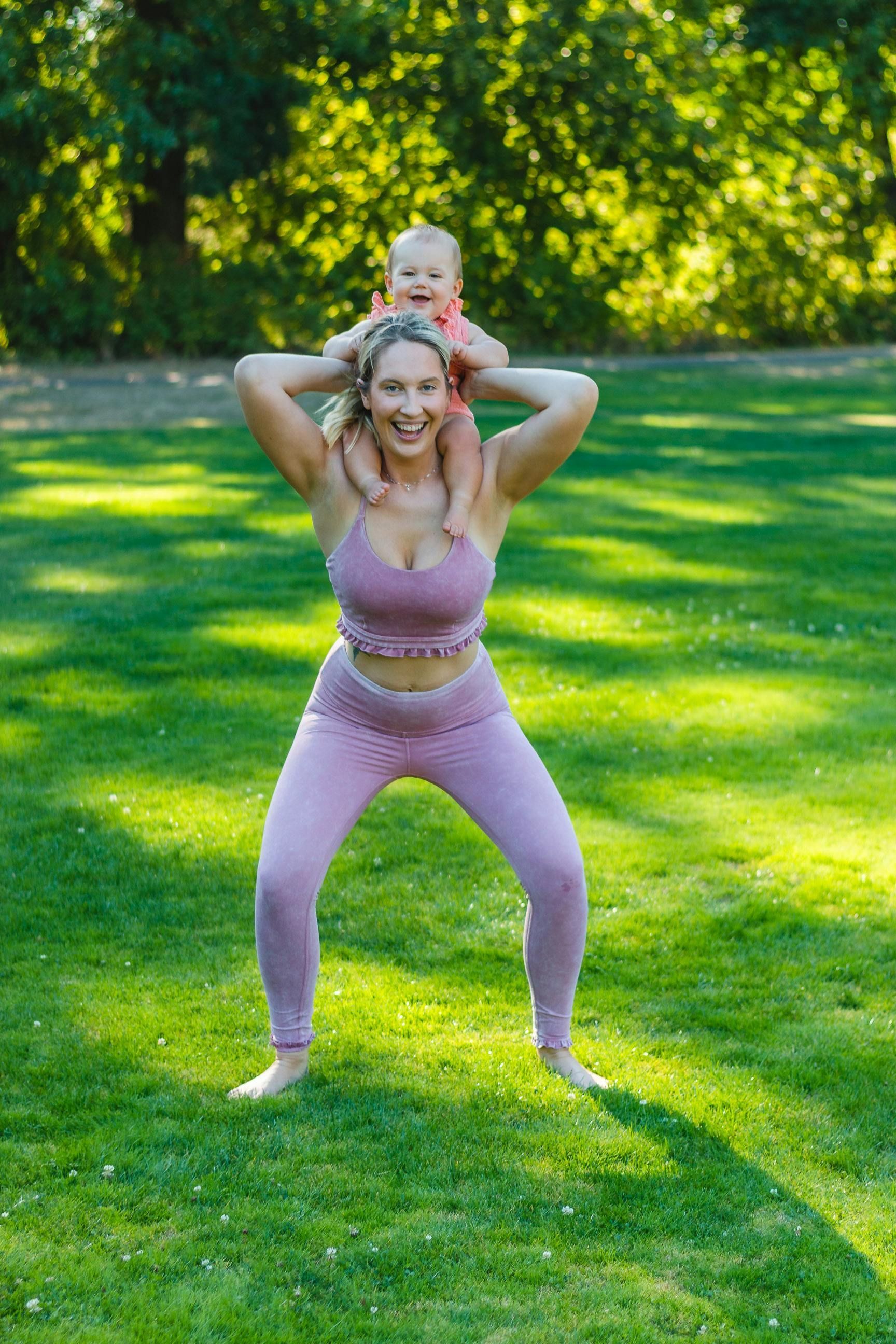
Let's talk about something that doesn't get nearly enough attention: your pelvic floor.  We know, we know. It's not exactly the most glamorous topic. It's definitely not what comes to mind when you think about fitness goals. But here's the thing: if you've ever leaked a little when you sneezed, felt pressure or heaviness "down there," or experienced pain during sex after having a baby, your pelvic floor is trying to tell you something important. And it's not just about those obvious signs. Your pelvic floor impacts everything from your core strength and posture to your ability to lift your toddler without back pain. It's literally the foundation of your entire core system, yet most fitness for moms programs completely ignore it. So many mamas push through symptoms, thinking it's just "normal after having kids." But here's what we've learned from working with over 300 pregnant and postpartum women: common doesn't mean normal, and you don't have to accept dysfunction as your new reality. Today, we're diving deep into why your pelvic floor matters more than you probably think, what might be going wrong, and most importantly, how to actually strengthen it in a way that makes a real difference in your daily life.
Woman squatting with baby on shoulders in a park, both smiling, wearing pink activewear.
By Kritie Alicea November 30, 2025
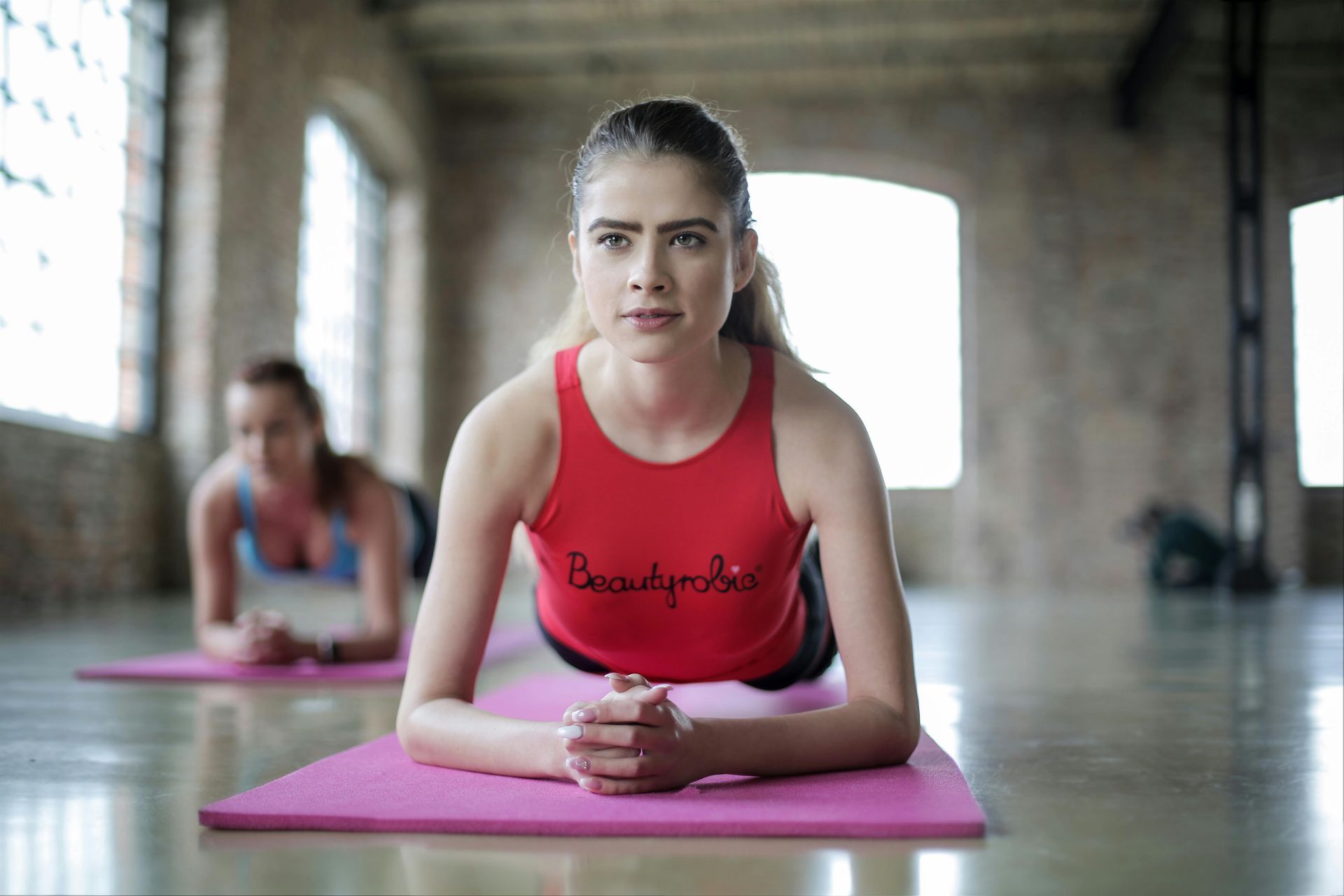
You're standing in your bedroom, staring at your workout clothes that have been gathering dust for months. Your baby is finally napping, and for the first time in what feels like forever, you have a moment to yourself. You think, "Maybe today's the day I start working out again."  But then the questions flood in. Is it too soon? Will it hurt? What if I make something worse? What if my body just... can't do this anymore? Should I just jump back into workouts I did pre-pregnancy? Mama, if you've had these thoughts, you're not alone. The journey back to fitness for moms after having a baby is filled with uncertainty, fear, and a whole lot of conflicting advice. One person tells you to wait six weeks. Another says you should be "bouncing back" immediately. Your body is telling you something completely different. We've worked with over 300 pregnant and postpartum mamas, and here's what we know for sure: there's no one-size-fits-all answer. But there is a path forward that honors your body, respects your recovery, and helps you feel strong again. Let's talk about what that first workout after baby really looks like, and how to start your postnatal fitness journey safely and confidently.
Woman in red tank top doing a plank on a pink mat with another person in the background.
By Kritie Alicea November 23, 2025
If you’ve been eyeing your running shoes and wondering when you’ll feel ready to hit the pavement again, you’re not alone. Getting back to running postpartum isn’t just about time, it’s about rebuilding strength, stability, and connection from the inside out. During pregnancy, your core, pelvic floor, and hips go through massive changes. Before you return to impact (like running), it’s key to rebuild your foundation. Think: reconnecting to your breath , realigning your posture , and reactivating the muscles that support every stride.  At ABC Fit Collective , we focus on three pillars: Alignment, Breath, and Core. These are the foundation for every move you make, especially when it comes to getting back into high-impact exercise safely and confidently.

By Kritie Alicea November 17, 2025
Can we be real for a second? Black Friday is usually about running around looking for the perfect gifts for everyone else on your list. The kids. Your partner. That friend who's impossible to shop for. But here's a question we want you to ask yourself this year: What about YOU, mama?  When was the last time you actually put yourself on your own shopping list? When did you last invest in something that supports your wellness, your fitness for moms journey, or just makes you feel good? If you're drawing a blank or feeling that familiar twinge of guilt, we get it. We've seen it in the faces of the over 300 pregnant and postpartum mamas we've worked with. This Black Friday, we're flipping the script. We're here to remind you that investing in yourself isn't selfish. It's necessary. And with all the incredible deals happening right now, there's never been a better time to prioritize your health, happiness, and self-care. Because when you take care of yourself, you show up better for everyone else too.

By Kritie Alicea October 26, 2025
Hey mama. Let us guess: you’ve got your kid’s Halloween costume picked out, the snacks packed, the calendar color-coded… and your own well-being? Somewhere buried under a pile of laundry and crushed Goldfish. We see you. And we know you’re juggling a lot. Maybe you’re feeling touched out, burned out, and wondering how everyone else seems to have their life together and a solid workout routine. (Spoiler: they don’t.) But here’s the truth—you don’t need to do it all. You just need to start treating your own needs like they matter.  Because they do. That’s why we’re here to remind you that fitness isn’t another thing to check off your to-do list. It’s your ticket back to you . It’s your reset button. It’s self-care that lasts way longer than a bubble bath. (Though we’re pro those, too.)

By Kritie Alicea October 19, 2025
Let’s just get it out there: leaking pee during jumping jacks, sneezes, or surprise laughs is incredibly common after having a baby. And if it’s happened to you, you’re definitely not alone. But here's the deal, mama: common doesn’t mean normal.  We hear from mamas all the time who feel embarrassed, confused, or even resigned to living with it forever. They’re told it’s "just part of motherhood," or to "do more Kegels" and hope for the best. Spoiler: there's more to the story. Let’s break it down together — with zero shame, total honesty, and a whole lot of support.
Show More