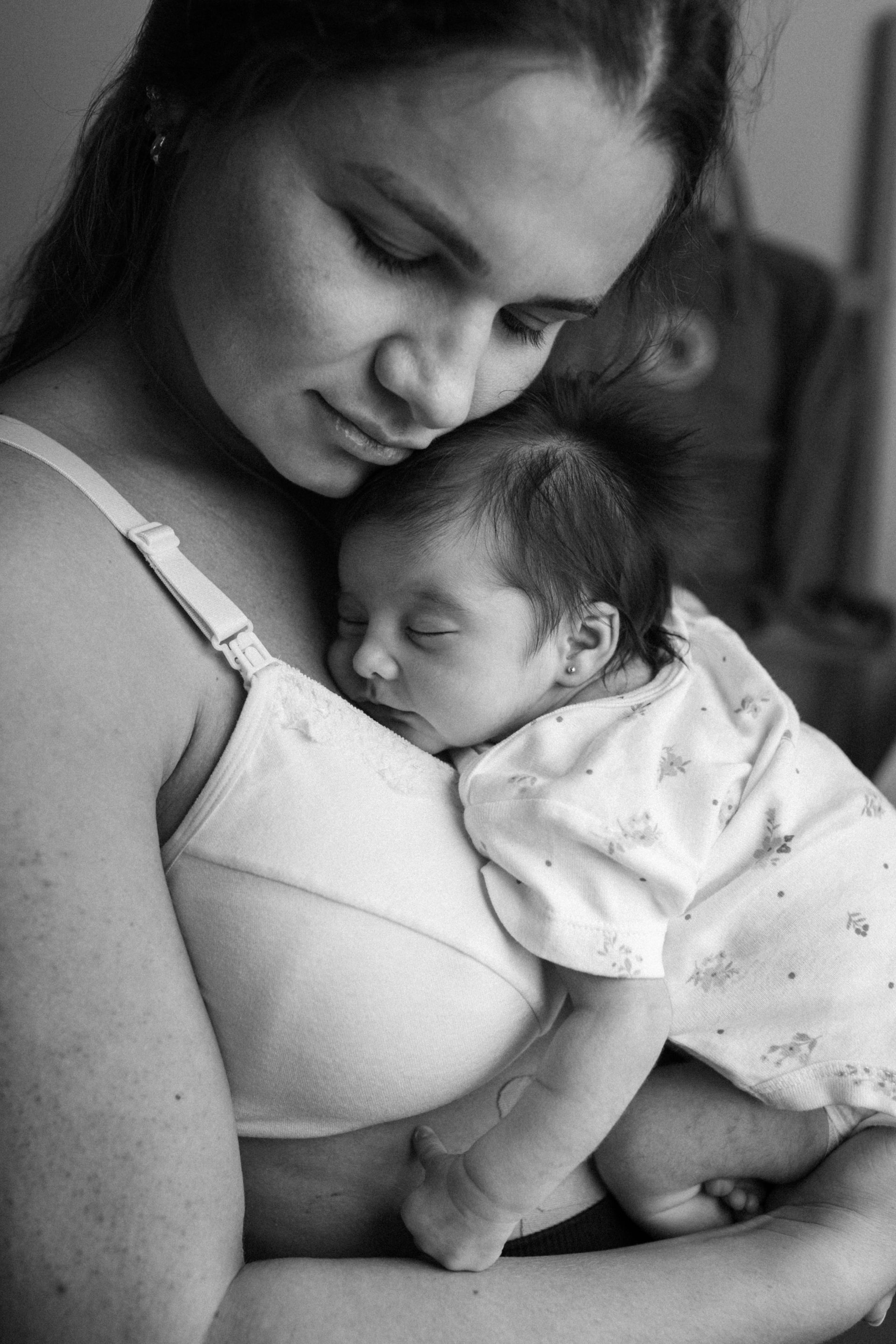
You got the green light at your six-week checkup. Your doctor said you're cleared for exercise. So naturally, you laced up your sneakers, queued up your favorite workout, and jumped right back into your old routine. Fast forward a few days and something feels off. Maybe it's a heaviness you can't quite explain. Maybe it's pain that wasn't there before. Maybe it's exhaustion that goes beyond normal new-mama tired. If this sounds familiar, you're not alone. And more importantly, you're not broken. You might just be doing too much too soon. At ABC Fit Collective, we've worked with hundreds of mamas navigating postpartum recovery, and this is one of the most common patterns we see. A mama gets cleared for exercise, assumes that means her body is fully healed, and dives back into fitness at a level her body isn't ready for. The result? Setbacks that could have been avoided with a more gradual approach. Here's the truth that nobody tells you: being "cleared" for exercise doesn't mean your body is back to its pre-pregnancy state. It means your initial healing is complete enough that gentle movement is safe. There's a big difference between those two things. So how do you know if you're pushing too hard? Let's talk about the five signs that your body is asking you to slow down.

Open any social media app and you'll see it within minutes. A celebrity posing in a bikini six weeks after giving birth. A fitness influencer showing off her flat stomach with a newborn on her hip. Headlines celebrating women who "got their body back" in record time. And somewhere in the background, a new mama scrolling through her phone at 3 AM while nursing her baby is wondering what's wrong with her. Why doesn't she look like that? Why does her body still feel like a stranger's? Why is "bouncing back" so easy for everyone else? Here's what we want you to know: the concept of "bouncing back" after baby is one of the most harmful myths in our culture. And at ABC Fit Collective, we think it's time we had an honest conversation about it. We've worked with hundreds of mamas through pregnancy and postpartum, and we can tell you with absolute certainty that the pressure to bounce back causes more harm than good. It sets unrealistic expectations, ignores the incredible work your body just did, and reduces your worth to whether or not you can fit into your pre-pregnancy jeans. So let's unpack the truth about bouncing back, why you shouldn't buy into it, and what to focus on instead.
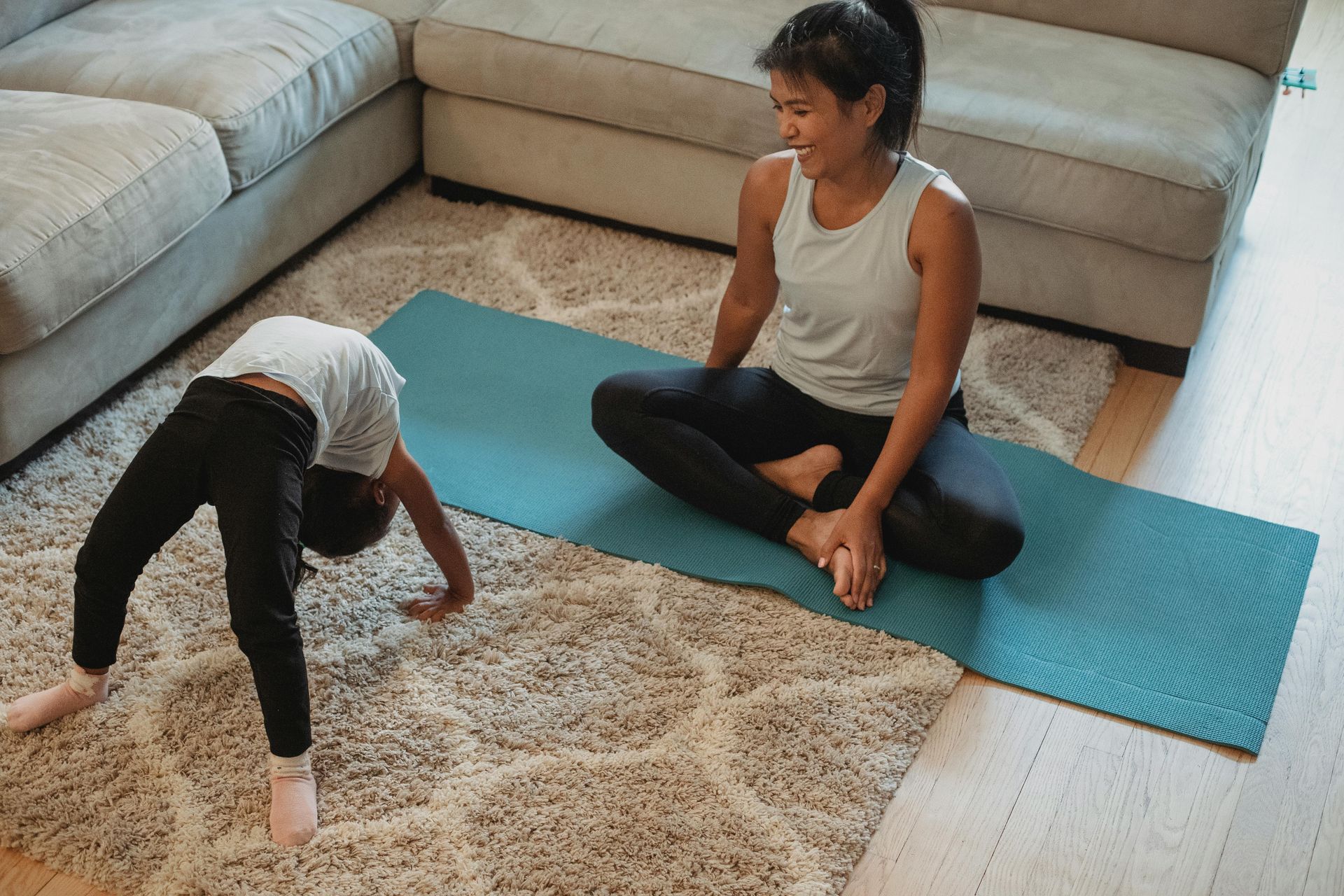
Let's be honest for a second. You're exhausted. Your baby just woke up for the third time last night, you can't remember the last time you had a full meal while it was still warm, and the idea of "working out" feels about as realistic as getting eight hours of uninterrupted sleep. Sound familiar? Here's the thing we want you to know right off the bat: if you're struggling to prioritize fitness right now, you're not failing. You're navigating one of the most physically and emotionally demanding seasons of your life. And if you've tried to start a workout routine only to abandon it a week later, you're definitely not alone. Most fitness programs weren't designed for the realities of new mamahood. At ABC Fit Collective, we've worked with hundreds of mamas through pregnancy, postpartum, and beyond. We've seen what works and what doesn't when it comes to building a fitness routine that actually sticks. And spoiler alert: it has nothing to do with willpower or motivation. It has everything to do with creating a plan that fits your real life, not some imaginary version of it. So if you're a new mama wondering how to get back into fitness without burning out, feeling guilty, or adding more stress to your already full plate, this one's for you.
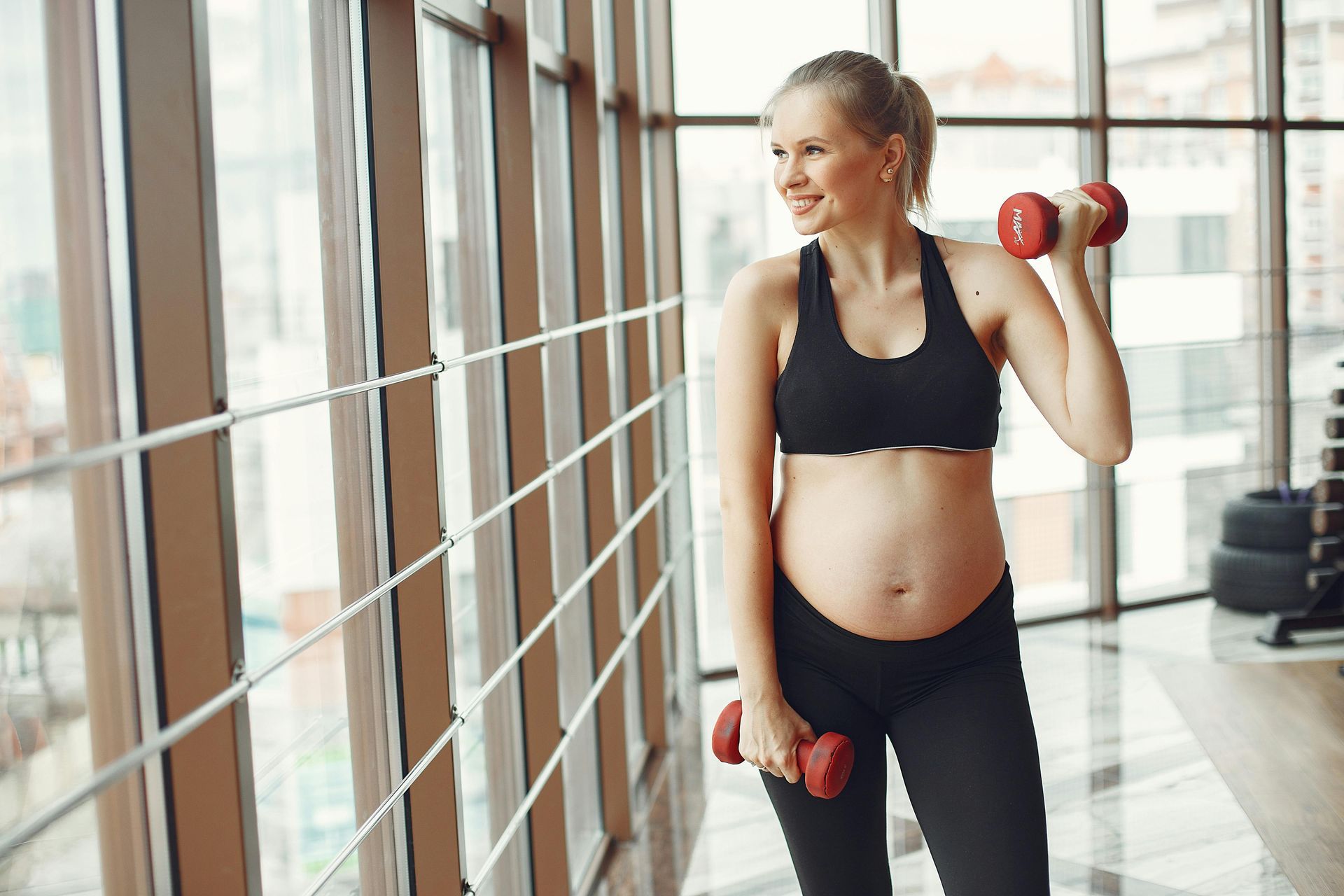
If the idea of lifting weights during pregnancy makes you pause and think, “Is this safe?” You’re not alone. For years, pregnant women have been told to slow down, stick to light cardio, and avoid strength training altogether. But here’s the truth: prenatal strength training, when done smartly , is one of the most powerful tools you have during pregnancy. At ABC Fit Collective, we believe pregnancy isn’t a time to stop moving, it’s a time to move with intention. Strength training isn’t about pushing limits or lifting heavy just to prove you can. It’s about building support, confidence, and resilience for your changing body. And yes, that strength becomes your superpower!
Let's talk about something that doesn't get nearly enough attention: your pelvic floor. We know, we know. It's not exactly the most glamorous topic. It's definitely not what comes to mind when you think about fitness goals. But here's the thing: if you've ever leaked a little when you sneezed, felt pressure or heaviness "down there," or experienced pain during sex after having a baby, your pelvic floor is trying to tell you something important. And it's not just about those obvious signs. Your pelvic floor impacts everything from your core strength and posture to your ability to lift your toddler without back pain. It's literally the foundation of your entire core system, yet most fitness for moms programs completely ignore it. So many mamas push through symptoms, thinking it's just "normal after having kids." But here's what we've learned from working with over 300 pregnant and postpartum women: common doesn't mean normal, and you don't have to accept dysfunction as your new reality. Today, we're diving deep into why your pelvic floor matters more than you probably think, what might be going wrong, and most importantly, how to actually strengthen it in a way that makes a real difference in your daily life.
You're standing in your bedroom, staring at your workout clothes that have been gathering dust for months. Your baby is finally napping, and for the first time in what feels like forever, you have a moment to yourself. You think, "Maybe today's the day I start working out again." But then the questions flood in. Is it too soon? Will it hurt? What if I make something worse? What if my body just... can't do this anymore? Should I just jump back into workouts I did pre-pregnancy? Mama, if you've had these thoughts, you're not alone. The journey back to fitness for moms after having a baby is filled with uncertainty, fear, and a whole lot of conflicting advice. One person tells you to wait six weeks. Another says you should be "bouncing back" immediately. Your body is telling you something completely different. We've worked with over 300 pregnant and postpartum mamas, and here's what we know for sure: there's no one-size-fits-all answer. But there is a path forward that honors your body, respects your recovery, and helps you feel strong again. Let's talk about what that first workout after baby really looks like, and how to start your postnatal fitness journey safely and confidently.
If you’ve been eyeing your running shoes and wondering when you’ll feel ready to hit the pavement again, you’re not alone. Getting back to running postpartum isn’t just about time, it’s about rebuilding strength, stability, and connection from the inside out. During pregnancy, your core, pelvic floor, and hips go through massive changes. Before you return to impact (like running), it’s key to rebuild your foundation. Think: reconnecting to your breath , realigning your posture , and reactivating the muscles that support every stride. At ABC Fit Collective , we focus on three pillars: Alignment, Breath, and Core. These are the foundation for every move you make, especially when it comes to getting back into high-impact exercise safely and confidently.

Can we be real for a second? Black Friday is usually about running around looking for the perfect gifts for everyone else on your list. The kids. Your partner. That friend who's impossible to shop for. But here's a question we want you to ask yourself this year: What about YOU, mama? When was the last time you actually put yourself on your own shopping list? When did you last invest in something that supports your wellness, your fitness for moms journey, or just makes you feel good? If you're drawing a blank or feeling that familiar twinge of guilt, we get it. We've seen it in the faces of the over 300 pregnant and postpartum mamas we've worked with. This Black Friday, we're flipping the script. We're here to remind you that investing in yourself isn't selfish. It's necessary. And with all the incredible deals happening right now, there's never been a better time to prioritize your health, happiness, and self-care. Because when you take care of yourself, you show up better for everyone else too.

Hey mama. Let us guess: you’ve got your kid’s Halloween costume picked out, the snacks packed, the calendar color-coded… and your own well-being? Somewhere buried under a pile of laundry and crushed Goldfish. We see you. And we know you’re juggling a lot. Maybe you’re feeling touched out, burned out, and wondering how everyone else seems to have their life together and a solid workout routine. (Spoiler: they don’t.) But here’s the truth—you don’t need to do it all. You just need to start treating your own needs like they matter. Because they do. That’s why we’re here to remind you that fitness isn’t another thing to check off your to-do list. It’s your ticket back to you . It’s your reset button. It’s self-care that lasts way longer than a bubble bath. (Though we’re pro those, too.)

Let’s just get it out there: leaking pee during jumping jacks, sneezes, or surprise laughs is incredibly common after having a baby. And if it’s happened to you, you’re definitely not alone. But here's the deal, mama: common doesn’t mean normal. We hear from mamas all the time who feel embarrassed, confused, or even resigned to living with it forever. They’re told it’s "just part of motherhood," or to "do more Kegels" and hope for the best. Spoiler: there's more to the story. Let’s break it down together — with zero shame, total honesty, and a whole lot of support.